
The story of argan oil in the beauty industry is one of the rare, quiet success stories. Unlike ingredients that flash and fade with seasonal trends, Moroccan argan oil has performed a more subtle feat: transitioning from a coveted, exotic elixir to a ubiquitous, trusted pillar in everyday hair care. This isn’t a boom; it’s a sustained evolution. The ingredient has managed to stay relevant by aligning perfectly with a maturing consumer philosophy that prioritizes multi-purpose efficacy, natural provenance, and sensory experience over fleeting novelty.
Industry analysts suggest this endurance is rooted in a powerful alignment of science, sustainability, and shifting consumer values. According to data from the Wellness Beauty Insights Group, searches for “argan oil benefits” have maintained consistent year-over-year growth for nearly a decade, a rarity in the fast-paced beauty search landscape. The report attributes this to the oil’s “category-defining versatility” – it’s equally invoked for frizz control, shine enhancement, and scalp health. This positions it not as a single-solution product but as a foundational component of a holistic hair health strategy.
Dermatologist and trichologist Dr. Alisha Vance notes the clinical basis for this broad appeal. “Argan oil is rich in tocopherols (Vitamin E), antioxidants, and essential fatty acids like linoleic acid. This composition allows it to function as an emollient to smooth the hair cuticle for shine, a humectant to support moisture balance, and a protective agent against environmental and heat-induced damage. It addresses multiple common hair concerns simultaneously, which resonates with consumers seeking streamlined routines.”
Not everyone agrees, though. Some experts argue that the market saturation has led to a dilution of quality and transparency. With countless brands incorporating argan oil, the concentration, sourcing, and processing methods vary wildly. A cosmetic chemist, speaking on background, pointed out that “argan oil listed low on an ingredient list, combined with silicones and cheap fillers, offers little of the purported benefit. The trend’s success has created a ‘greenwashing’ challenge, where the presence of the ingredient is marketed more heavily than its actual potency in the formula.”
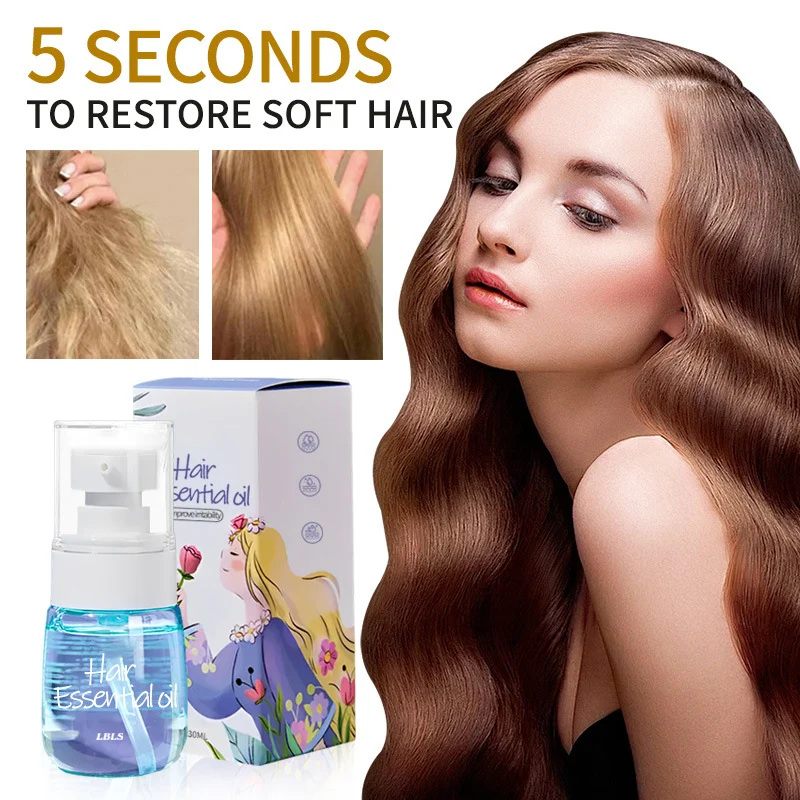
This is where the approach of specific brands becomes illustrative. Products like the LBLS Moroccan Argan Oil Hair Essential Oil highlight a contemporary interpretation of the trend. It emphasizes a “lightweight technology formula,” directly addressing a common consumer grievance about hair oils feeling heavy or greasy. By positioning it as a “no-wash,” portable solution for instant rejuvenation, the product speaks to the modern demand for efficiency and on-the-go care. It fits into the narrative of argan oil as a reliable, multi-tasking workhorse, but refines its application for daily, practical use—moving beyond a treatment reserved for weekly masks to an integral part of a daily styling or touch-up routine.
What does this sustained trend mean for you, the consumer? It underscores the importance of looking beyond the marketing of a single ingredient. First, consider the formulation. A pure, high-quality argan oil or a formula where it is a primary ingredient is more likely to deliver the celebrated benefits. Second, assess its role in your routine. Is it a pre-shampoo treatment, a sealant for damp hair, or a finishing polish for flyaways? Argan oil’s versatility supports all these uses. Finally, this enduring popularity is a reminder that effective hair care often returns to proven, nourishing ingredients that support the hair’s structure, rather than merely coating it. The story of argan oil is less about discovering a new miracle and more about consistently appreciating a time-tested one, now adapted for the pace and priorities of contemporary life.

