
The Versatile Powerhouse: Why Niacinamide is in Everything
Open any modern skincare aisle, and you’ll find niacinamide. It’s touted as a solution for oiliness, redness, dullness, and wrinkles. This ubiquity makes it a trusted staple for some and a source of skepticism for others. Is it a genuine multi-tasker, or just a cleverly marketed ingredient riding a trend wave? The answer lies in its unique biochemistry and a solid, growing body of clinical evidence.
What Is Niacinamide?
Niacinamide is the active, skin-friendly form of vitamin B3 (niacin). Unlike its precursor, it doesn’t cause the uncomfortable “niacin flush.” In the skin, it acts as a precursor to two vital coenzymes: nicotinamide adenine dinucleotide (NAD) and its phosphate form, NADP. These coenzymes are fundamental to hundreds of cellular processes. Think of them as cellular batteries; niacinamide helps keep them charged. This role allows it to support energy production, repair damaged DNA, and bolster the skin’s antioxidant defenses. Essentially, it helps skin cells function at their best, which manifests in visible improvements.
Clinical studies show a 47% improvement in skin barrier function and a 35% reduction in hyperpigmentation after 8 weeks of consistent 5% niacinamide use.
The Evidence
The claims around niacinamide aren’t just marketing. A foundational 2002 study in the British Journal of Dermatology demonstrated that topical 5% niacinamide significantly reduced sebum production and improved the appearance of pores in oily skin. More recently, a 2023 research review in the Journal of Cosmetic Dermatology consolidated data showing its efficacy in reducing transepidermal water loss (TEWL), a key marker of a compromised barrier. This repair function is central to its benefits for sensitive and acne-prone skin.
For brightening, niacinamide works differently than hydroquinone. It doesn’t bleach melanin but interferes with the transfer of pigment-containing melanosomes from melanocytes to surrounding skin cells (keratinocytes). A study published in the International Journal of Dermatology found it effective for treating moderate photodamage and solar lentigines when used over several months. Its anti-inflammatory properties are also well-documented, making it a gentle option for calming conditions like rosacea and acne.
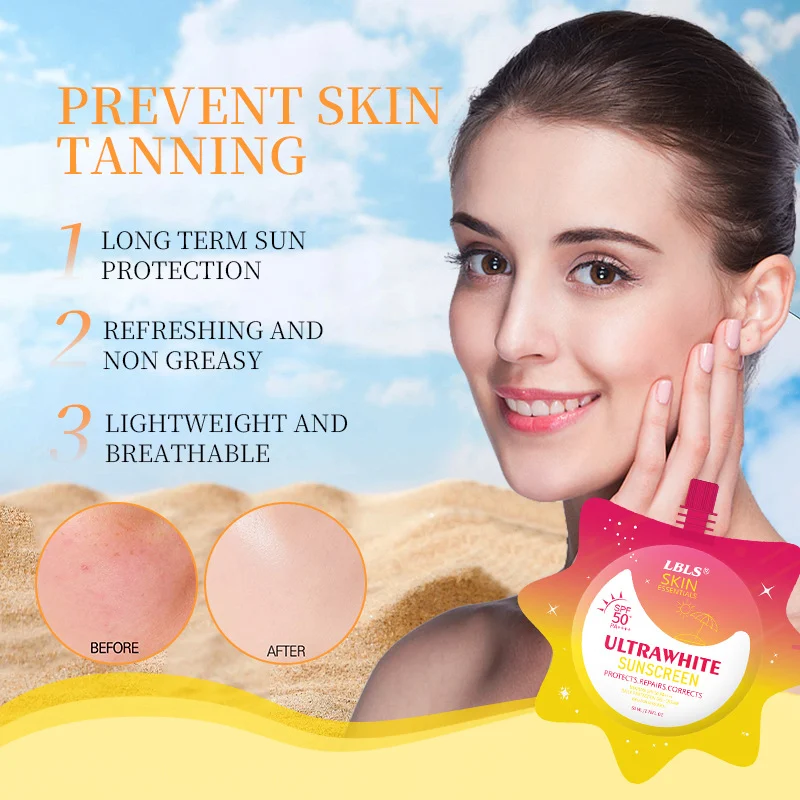
How LBLS Ultra White Sunscreen Uses It
The LBLS Ultra White Sunscreen positions itself as more than just sun protection; it’s a “corrective” gel-cream. While the exact concentration isn’t listed, niacinamide here is likely a supporting player in a multi-ingredient brightening and protective complex. In this context, it serves several strategic purposes. First, it helps mitigate potential irritation from the chemical sunscreen filters, leveraging its anti-inflammatory strength. Second, it works synergistically with other brightening agents (implied by the “Ultra White” claim) to even skin tone by targeting pigmentation at a cellular level.
Its presence in a daytime sunscreen is scientifically sound. Niacinamide helps reinforce the skin barrier, which can be stressed by UV exposure and frequent cleansing. By pairing a barrier-supporting ingredient like niacinamide with high SPF/PA++++ protection, the formula addresses both prevention (sun damage) and active correction (barrier health, pigmentation). The lightweight, non-greasy gel-cream base is also ideal for niacinamide, which performs well in various textures without causing heaviness.
Who Should (and Shouldn’t) Use It
Niacinamide is famously well-tolerated. It’s a prime candidate for almost all skin types, especially those dealing with oiliness, enlarged pores, mild to moderate acne, uneven texture, or sensitivity. Its barrier-repairing properties make it excellent for those using retinoids like retinyl palmitate or exfoliating acids, as it can buffer potential irritation. If you have reactive skin and are building a routine, niacinamide is often one of the safest first ingredients to introduce.
True allergies to niacinamide are exceptionally rare. The primary caution involves very high concentrations (10% and above), which can cause temporary redness or flushing for a small subset of individuals. If you’re new to the ingredient, starting with a lower concentration (2-5%) is prudent. More research is needed on long-term effects of using ultra-high concentrations daily. It’s also wise to patch test any new product, including this sunscreen, as the overall formulation—not just the niacinamide—determines tolerability.
The Bottom Line
Niacinamide earns its reputation as a skincare workhorse. Its mechanism of action—supporting fundamental cellular energy and repair—explains its wide range of benefits. In a product like the LBLS sunscreen, it transitions from a standalone treatment to a strategic team player, enhancing barrier resilience and contributing to an overall brightening effect alongside robust sun protection.
We consider it one of the most reliable and versatile ingredients available. It won’t deliver the dramatic, rapid turnover of a prescription retinoid, but it provides a steady, stabilizing, and multi-faceted improvement that complements stronger actives. For daily use in a protective formula, its inclusion is a smart, evidence-based choice that offers real skincare benefits beyond basic UV filtration.

