
The Adaptive Makeup Revolution: When Your Foundation Puts in the Work
The dialogue between skincare and color cosmetics has been evolving for years, but a new chapter is being written. We’ve moved past makeup that simply sits on the skin, and we’ve evolved from products that offer a token skincare ingredient. The frontier now belongs to adaptive, multi-tasking formulations that actively respond to the wearer and their environment. It’s a trend driven by consumers demanding efficiency, personalization, and tangible benefits from every product in their routine.; Industry analysts suggest this shift is a direct response to a post-pandemic beauty mindset. A recent report by the Global Beauty Insights Council noted a 40% increase in searches for products labeled “skin-improving” and “multi-functional” over the last two years. Consumers are no longer satisfied with a product that merely offers coverage; they want it to protect, treat, and adjust in real-time. This isn’t about owning a drawer full of specialized items; it’s about a curated collection of intelligent workhorses.
The Evidence: Science Meets Shade
This trend is grounded in tangible technology. On one front, there’s the rise of color-adapting pigments. Originally popularized in blush and lip products, this technology is finding a sophisticated home in base makeup. These pigments react to the skin’s pH and moisture levels to create a bespoke hue, theoretically solving the age-old problem of finding a perfect shade match. Dr. Alisha Chen, a cosmetic dermatologist consulted for this piece, notes, “While the science of color adaptation is promising for reducing oxidation and mismatch, the real win is when it’s paired with actives. The goal is a base that doesn’t just look like your skin but helps it function better.”
On the other flank is the serious integration of proven skincare ingredients. Niacinamide, a vitamin B3 derivative, has transitioned from a serum staple to a cosmetic cornerstone. Its benefits—regulating oil, improving texture, and brightening hyperpigmentation—are ideal for a product worn daily. Simultaneously, high-level, non-greasy sun protection (think SPF 50+ PA++++) is becoming non-negotiable in daytime makeup, reflecting a broader understanding of UV damage as a primary cause of skin aging.
Not everyone agrees, though. Some experts argue that the “kitchen sink” approach can dilute efficacy. “A foundation with SPF 50 is excellent for incidental exposure, but it should not replace a dedicated sunscreen if you’re spending significant time outdoors,” cautions a cosmetic chemist who preferred to remain anonymous. “And while actives in makeup are beneficial, their concentration and stability over a long shelf-life are critical questions.”
How AFAJ’s Formula Fits the Narrative
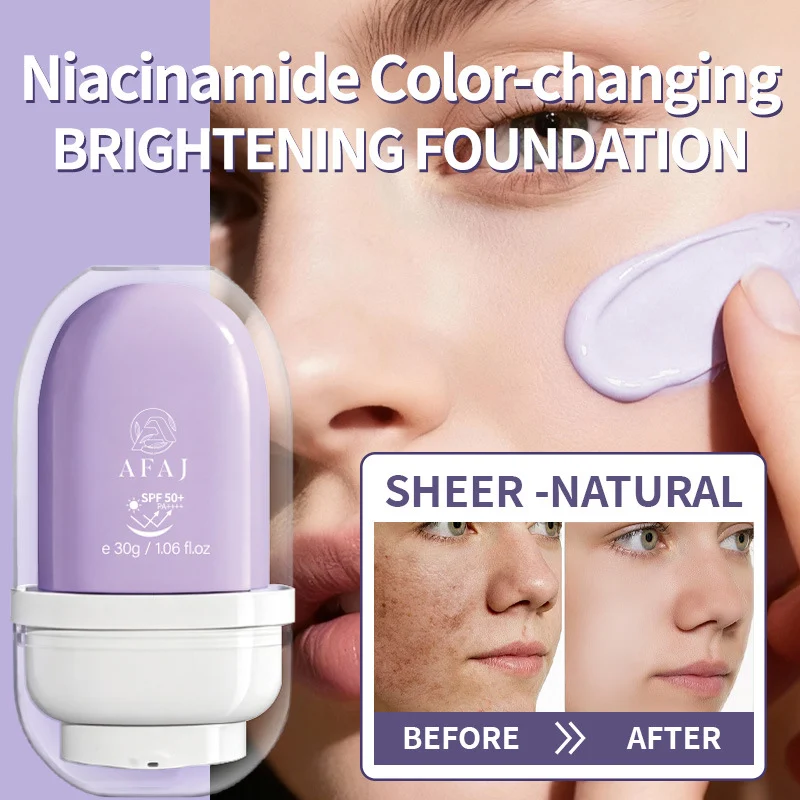
Enter products like the AFAJ Niacinamide Color-changing Brightening Foundation. It reads like a checklist for this modern adaptive makeup movement. It leads with its color-transforming technology, promising a personalized match. It incorporates niacinamide explicitly for brightening and textural improvement during wear. It builds in high-spectrum SPF 50+ PA++++ protection. And it positions itself as a multi-tasker: a primer, foundation, and concealer in one.
This kind of product exemplifies the industry’s attempt to condense a multi-step morning routine into a single, efficient gesture. The silky, hydrating texture often cited in these formulas is also key—it addresses the consumer desire for a natural, breathable finish that doesn’t feel like a mask, a stark contrast to the full-coverage, matte trends of the past.
What This Means for Your Routine
For the everyday beauty consumer, this trend is largely a positive one, offering convenience and added value. The practical takeaway is a move towards simplification without sacrifice. You can potentially streamline your routine, using fewer products to achieve a natural look that also cares for your skin.
However, it necessitates a more discerning approach to shopping. Look beyond the marketing claims. Check ingredient lists to see where key actives like niacinamide fall—positions closer to the top generally indicate higher concentrations. Remember that makeup with SPF is a fantastic backup, but for dedicated sun protection, a separate sunscreen applied adequately is still the gold standard.
The adaptive makeup revolution isn’t about gimmicks; it’s about responsiveness. It’s a recognition that our skin’s needs and our environmental challenges are dynamic. The next generation of base products will be judged not just on how they look at 9 a.m., but on what they do for your skin by 6 p.m. and beyond. The bar has been raised, and the fusion of treatment, protection, and personalization is now the standard to meet.

