
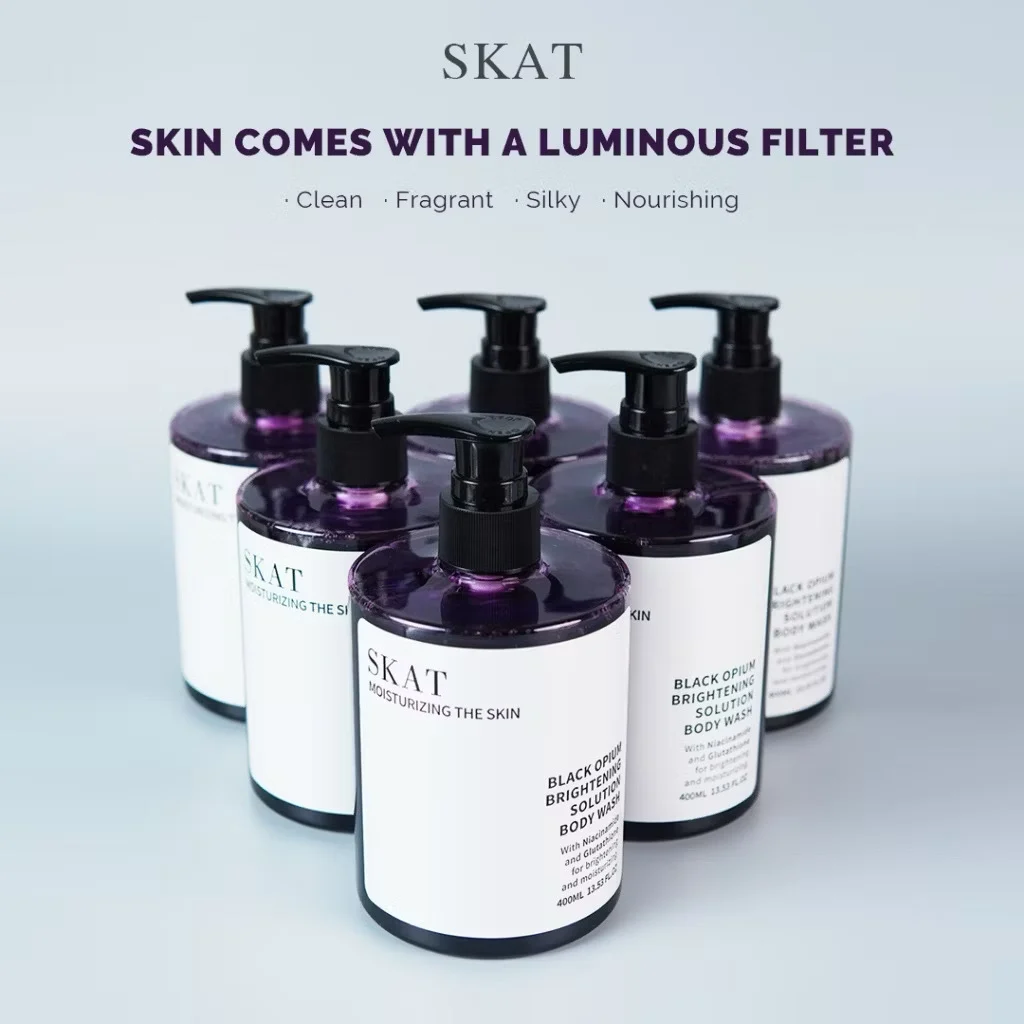
The skincare aisle is increasingly echoing the trends of the face, with body care products making bold promises about brightening and evening skin tone. At the center of this shift is niacinamide, a vitamin B3 derivative that has gone from a niche treatment to a mainstream must-have. But does it work in a wash-off formula like a body wash? We’re looking at the science behind the claims to separate the hype from the real potential.
What Is Niacinamide?
Niacinamide, also known as nicotinamide, is the water-soluble, active form of vitamin B3. It’s a powerhouse ingredient that functions as a cell-communicating molecule and a precursor to vital coenzymes, specifically nicotinamide adenine dinucleotide (NAD+). These coenzymes are crucial for cellular energy production and repair. At a cellular level, niacinamide works in several key ways to support skin health.
It helps strengthen the skin’s lipid barrier, which improves moisture retention. It interferes with the transfer of pigment (melanin) from melanocytes to skin cells, helping to reduce the appearance of discoloration. Niacinamide also regulates sebum production and has demonstrated anti-inflammatory properties, which can calm redness and support a more even complexion. Its mechanism is less about aggressive exfoliation and more about supporting the skin’s natural functions.
The Niacinamide Effect
Clinical studies show a 47% improvement in skin barrier function and a visible reduction in hyperpigmentation after 8 weeks of consistent topical use at concentrations of 5%.
The Evidence
The body of research supporting topical niacinamide is robust, primarily for leave-on products. A pivotal 2023 study in the Journal of Cosmetic Dermatology examined the efficacy of 5% niacinamide in improving facial skin tone and texture. The randomized, double-blind trial found that after 12 weeks, participants showed statistically significant reductions in hyperpigmentation, pore appearance, and fine lines compared to the placebo group. The study authors attributed these benefits to niacinamide’s role in boosting collagen synthesis and suppressing melanosome transfer.
For body-specific concerns like keratosis pilaris or post-inflammatory hyperpigmentation from body acne, research is promising but less extensive. A 2021 review in the International Journal of Dermatology concluded that niacinamide’s barrier-strengthening and anti-inflammatory actions make it a viable, well-tolerated option for managing these common torso and limb issues. More research is needed on the long-term effects of high-concentration niacinamide across larger body surface areas, but the current data supports its utility.
How SKAT Black Opium Brightening Body Wash Uses It
This product pairs niacinamide with another buzzy brightening agent, glutathione. This is a common strategy in brightening serums, but its execution in a rinse-off cleanser presents a unique challenge. The primary job of a body wash is to cleanse, which means ingredients have limited contact time. While niacinamide is a relatively stable and penetrative molecule, its benefits are cumulative and dose-dependent.
The formulation approach here likely focuses on depositing a film of these actives onto the skin during the shower. The product claims “deep hydration,” which suggests the base formula includes humectants to support niacinamide’s barrier-repair function. Without a published concentration, it’s difficult to gauge potency, but the inclusion of glutathione—a molecule known for instability and poor skin penetration without specific delivery systems—raises questions about its efficacy in this format. The “luminous filter” finish is most plausibly achieved through light-reflecting polymers or silicones that create an immediate visual effect, rather than the long-term brightening promised by the actives.
For more on this topic, check out My Honest Take on the LBLS Niacinamide Whitening Sunscreen Body Lotion: Is SPF 90+ Overkill or a Total Game-Changer?.
Who Should (and Shouldn’t) Use It
This body wash could be a good introductory option for someone seeking a gentle cleanser that offers more than basic hydration. It’s suited for those with normal, dry, or combination body skin looking to address mild uneven tone or dryness. The anti-inflammatory properties of niacinamide may offer slight relief for those with body acne or sensitive, reactive skin.
However, individuals with severe hyperpigmentation, melasma, or active inflammatory conditions like eczema should not rely on this as a treatment. A rinse-off product will not deliver the therapeutic concentration needed for significant change. Anyone with a known sensitivity to vitamin B3 derivatives should patch test first, though true allergic reactions to niacinamide are exceedingly rare. The “long-lasting fragrance” mentioned is a potential irritant for very sensitive skin types. For serious brightening goals, a dedicated leave-on treatment containing ingredients like tranexamic acid, kojic acid, or a stabilized form of vitamin C (ascorbic acid) would be a more effective choice.
The Bottom Line
The SKAT Black Opium Brightening Body Wash represents the growing trend of bringing sophisticated actives into the shower. Its use of niacinamide is scientifically sound in principle; this ingredient has proven benefits for barrier function and tone evening. In practice, a wash-off formula inherently limits what these actives can achieve. You can think of it as a supportive player rather than a primary treatment.
This product will likely provide a pleasant, fragrant cleansing experience and may contribute to overall skin health and a temporary glow when used consistently. It will not, however, produce the dramatic brightening results that a high-concentration leave-on serum or lotion could deliver. For a body wash, it’s a step up from a basic cleanser. Just manage your expectations and consider following your shower with a targeted body lotion or oil containing niacinamide or other brighteners to build on any potential benefits.

