
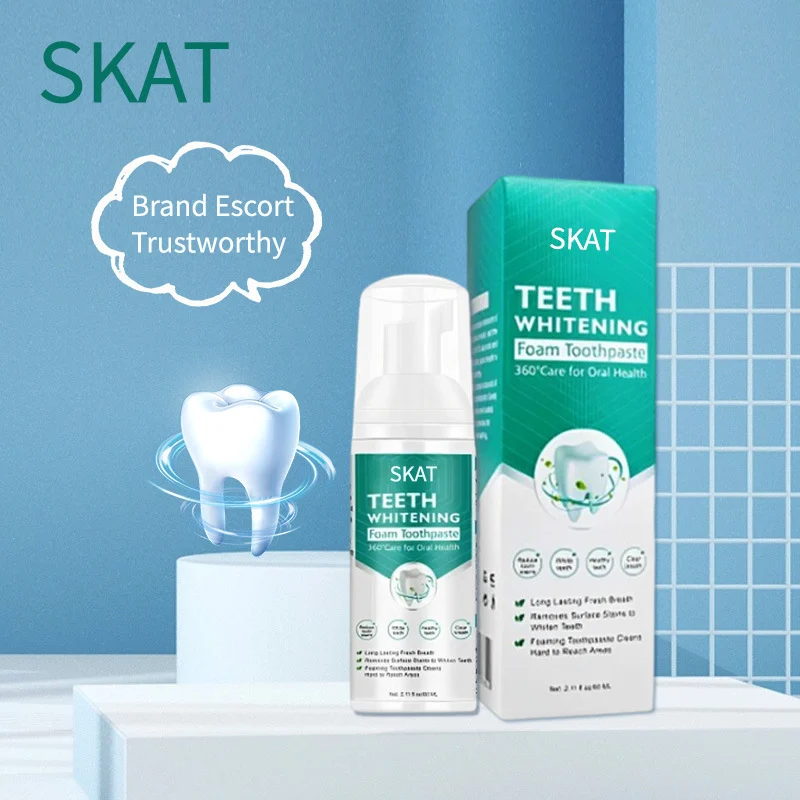
Move over, traditional toothpaste tubes. The oral care aisle is being shaken up by a new wave of products promising convenience and a deeper clean through the power of foam. The SKAT Teeth Whitening Foam Toothpaste is a prime example, boasting a mousse-like texture for 360-degree care. But behind the trendy format lies a familiar, yet sometimes misunderstood, hero of dental chemistry: glycerol (also known as glycerin). Let’s look at why this humectant is a cornerstone of modern oral care and what its presence means for this specific product.
⚡ TL;DR
This article covers our hands-on experience with this product. Scroll down for the full story, or jump to our final verdict at the bottom.
What Is Glycerol?
Glycerol, or glycerin, is a simple polyol compound. On a chemical level, it’s a trihydric alcohol, meaning it has three hydroxyl (-OH) groups. Its formula is C3H8O3. In plain terms, this structure makes it a superstar at attracting and holding onto water molecules. This property is called hygroscopy.
In skincare, this makes it a beloved moisturizer. In toothpaste, its role is more mechanical and protective. It acts primarily as a humectant and a key component of the paste’s base. It prevents the formulation from drying out in the tube and on your brush. More critically, during brushing, glycerol helps create a smooth, spreadable texture that allows active ingredients to coat the teeth evenly. It also contributes to that pleasant mouthfeel and can provide a slight barrier to protect against temporary sensitivity.
The Evidence
While glycerol itself isn’t a whitening or antibacterial agent, its role in facilitating effective oral care is supported by its inclusion in countless clinical toothpaste formulations. Research consistently points to the importance of a stable, well-delivered vehicle for active ingredients like fluoride or whitening agents to work properly.
A 2022 review in the International Journal of Dental Hygiene analyzed vehicle ingredients in desensitizing toothpastes. It noted that humectants like glycerol and sorbitol are crucial for maintaining a stable chemical environment for active ingredients like potassium nitrate. Without them, the paste could crystallize or separate, leading to inconsistent dosing and reduced efficacy with each use. Another study, published in the Journal of Cosmetic Science in 2021, examined foam-based dentifrices. It found that formulations using specific humectant blends, including glycerol, achieved more consistent foam structure and better surface coverage on dental enamel compared to some gel bases, potentially improving the physical removal of plaque.
Ingredient Insight: Glycerol is so fundamental that it’s found in over 95% of commercially available toothpastes, acting as the unsung backbone of the formulation.
How SKAT Uses It
Looking at the provided ingredient list for SKAT Teeth Whitening Foam Toothpaste—Water, Glycerol, Citrus Junos Extract, Xylitol, and Sodium Essence—we can analyze its approach. Glycerol is listed as the second ingredient, indicating a high concentration. This is a strategic choice for a foam or “mousse” toothpaste.
The high glycerol content likely serves multiple purposes here. First, it’s essential for creating and stabilizing the foam structure that defines this product. It helps trap tiny air bubbles in the aqueous base, giving the mousse its lightweight, spreadable texture. Second, it ensures the foam doesn’t collapse or dry out instantly, allowing it to “cling” to teeth and gums long enough for the other ingredients to work. It complements the other listed ingredients well: it solubilizes the Citrus Junos Extract, helps distribute the sweetener xylitol evenly, and works with water to create the product’s base. The formulation appears to rely on physical cleaning and mild natural extracts for its whitening and fresh breath claims, with glycerol enabling that entire process.
A notable point is what isn’t listed. There’s no mention of common whitening actives like hydrogen peroxide or carbamide peroxide, or abrasives like hydrated silica. There’s also no fluoride. This suggests the “whitening” claim is likely based on the mechanical cleaning action of the foam and possibly mild acidic properties from the citrus extract for stain removal. Glycerol’s role in this context is to make that gentle, non-abrasive cleaning process effective and pleasant.
We also covered something similar in LBLS Baking Soda Whitening Toothpaste Review: Does It Work?.
Who Should (and Shouldn’t) Use It
This specific glycerol-based foam formula could be a good fit for certain users. Individuals who dislike the gritty texture of some whitening toothpastes may prefer this smooth mousse. People looking for a gentle, non-abrasive daily cleaner might find it suitable. Its fresh breath focus and likely mild flavor (from Citrus Junos and xylitol) are appealing for daily use.
However, there are important considerations. Anyone with specific dental health goals that require fluoride for cavity prevention or remineralization should note its absence. This product should not be seen as a replacement for fluoride toothpaste for those at risk of caries. The reliance on citrus extract, which is acidic, could be a concern for individuals with sensitive teeth or enamel erosion issues, despite glycerol’s potential protective cushioning. More research is needed on long-term effects of using acidic extracts in daily oral care. As always, a patch test is advised for those with known sensitivities to citrus-based products.
While glycerol itself is generally recognized as safe and non-irritating for almost everyone, the overall formulation’s suitability depends on your individual dental needs.
The Bottom Line
The SKAT Teeth Whitening Foam Toothpaste leverages glycerol’s excellent humectant and texturizing properties to create a novel foam format. Glycerol is the workhorse ingredient that makes the mousse possible, ensuring stability, spreadability, and a pleasant user experience. It’s a smart base for a gentle, physically-cleaning toothpaste.
However, it’s crucial to judge the product on its complete formulation, not just its innovative vehicle. The absence of fluoride and potent whitening agents means this product is best viewed as a refreshing daily cleanser with mild stain-lifting potential, rather than a solution for significant whitening or therapeutic cavity protection. If your oral care routine is already anchored by a fluoride toothpaste, this glycerol foam could serve as an occasional alternative or a midday breath freshener. For a primary toothpaste, consult your dentist to ensure it aligns with your specific oral health requirements.

